Next level performance: With edubily® at our players' side
19 December 2025
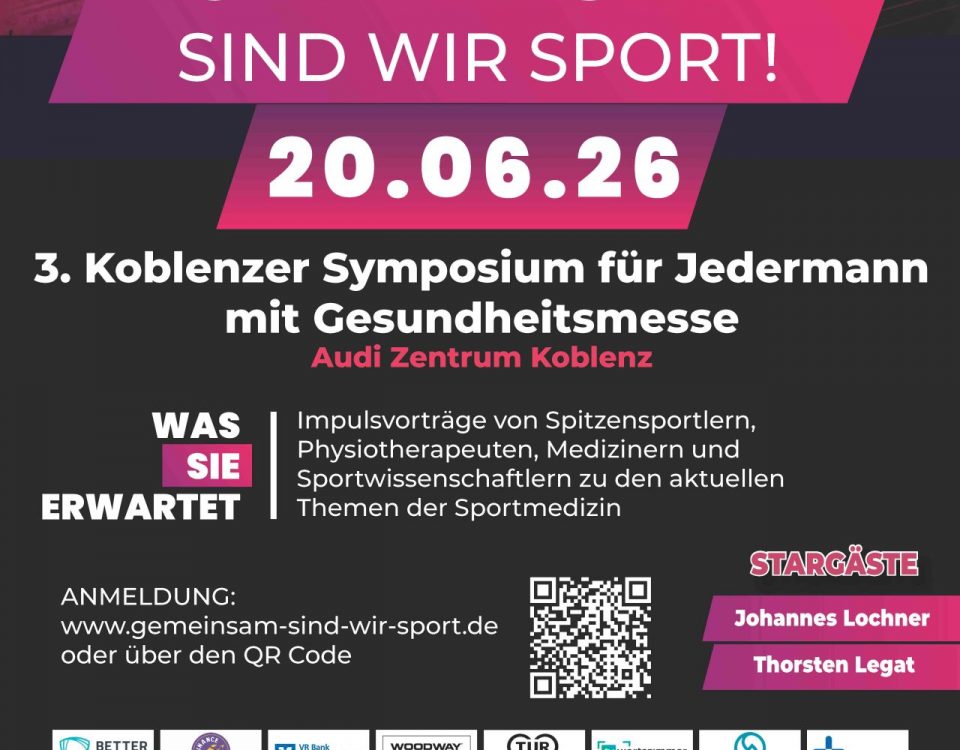
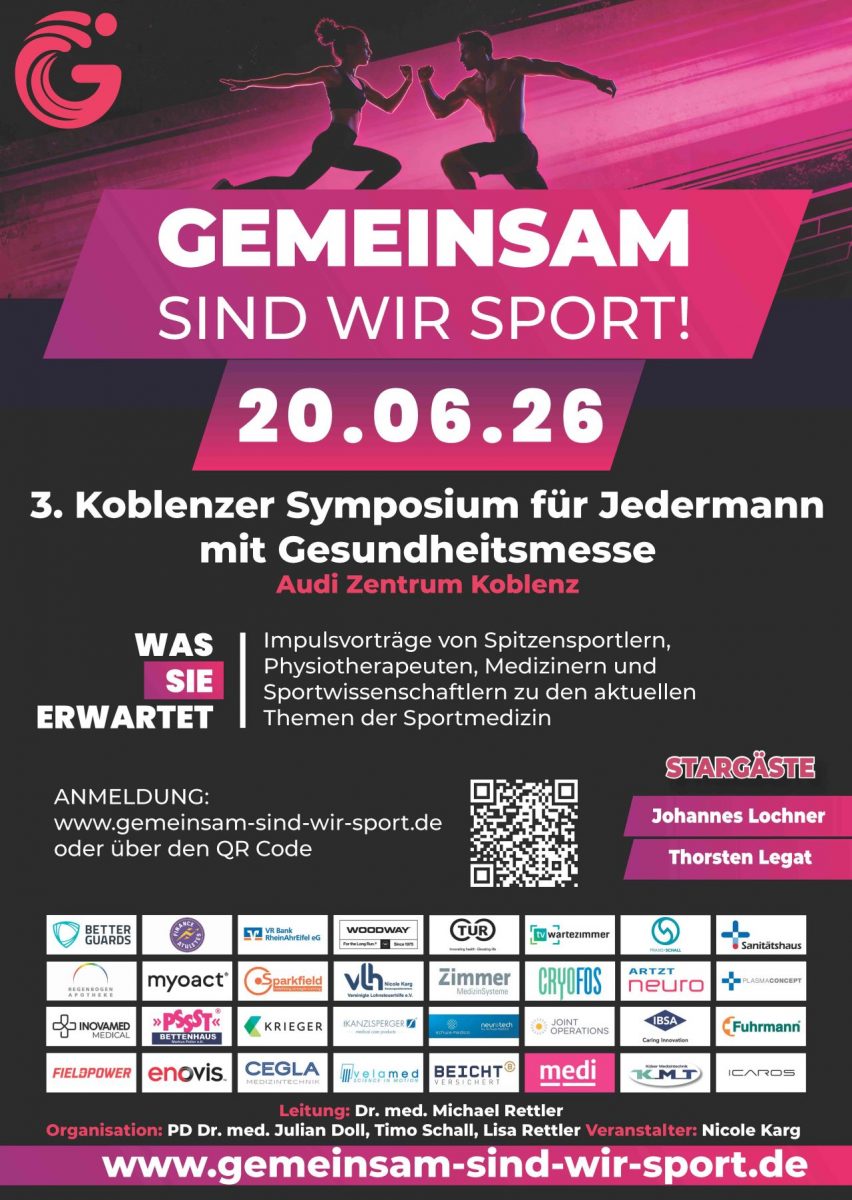
Sports medicine and professional football: 3rd Koblenz Symposium 2026
27 February 2026

The Competitive football demands far more from young and professional players than just technique, tactics and fitness. In addition to intensive training and a high playing workload, the Mental health in football plays a decisive role. The pressure of expectations, public criticism and sporting setbacks are part of the everyday life of professional footballers at an early age - and provide important learning impulses for the next generation.
Mental pressure in competitive football
Even in youth football, players have to learn to deal with Pressure to perform, to deal with competitive situations and fluctuating performances. Developing mental skills at an early age creates a stable basis for long-term sporting development.
Important mental tips for football players
- Fixed routines before training and games provide security and structure
- Focus on Influenceable factors such as preparation, deployment and recruitment
- Reflection instead of self-criticism after mistakes or defeats
- Open discussions with trainers, the counsellor or the family promote mental relief
- Mental regeneration is just as important as physical rest
What youth players can learn from this
- Pressure to perform is part of football and is not a sign of weakness
- Fluctuations in performance are normal and part of sporting development
- School, family, friends and leisure time provide balance and stability
- Mental strength is created through trust, clear structures and realistic goals
The role of parents in youth football
Parents are a central Stability factor in youth football. A supportive, appreciative environment not only promotes sporting performance, but also the enjoyment of the game and the long-term personal development of young footballers.
Mental health in football is not an optional extra, but a fundamental prerequisite for sustainable success - on and off the pitch.